Introduction
Every homeowner has faced the challenges of maintaining their property, and one of the most critical aspects often overlooked is plumbing. Among various plumbing issues, pipe corrosion stands out as a significant concern that can lead to extensive damage and costly repairs. Understanding what pipe corrosion is, its causes, effects, and how to prevent it can save you from headaches down the line. If you're in need of professional help, remember that a reliable Plumber in O'Fallon IL, like Alexander Plumbing & Remodeling LLC, can provide vital assistance.
In this comprehensive guide titled “ What Every Homeowner Should Know About Pipe Corrosion,” we will delve into the intricacies of this issue, ensuring you have all the information necessary to keep your plumbing system in top shape.
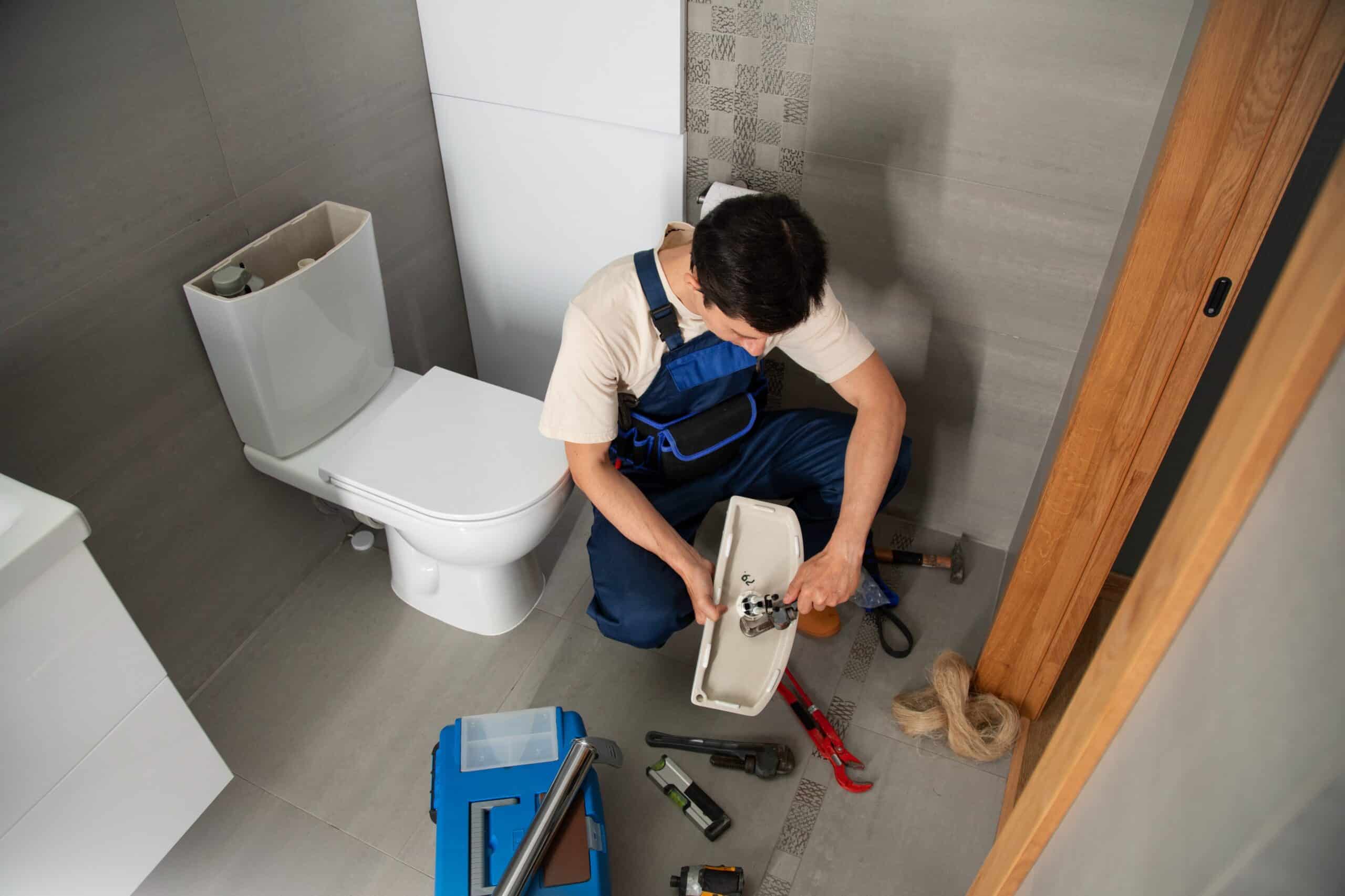
What Every Homeowner Should Know About Pipe Corrosion
Pipe corrosion occurs when metal pipes deteriorate due to chemical reactions with their environment. This process can lead to leaks, reduced water quality, and even structural damage. Awareness of how corrosion manifests is crucial for preventing these issues.
Understanding Pipe Corrosion: A Definition
Corrosion is essentially the gradual destruction of materials through electrochemical reactions. Metal pipes are particularly susceptible because they are exposed to water and various minerals that accelerate the degradation process.
The Chemistry Behind Corrosion
At its core, corrosion involves oxidation-reduction reactions. When metal comes into contact with moisture and oxygen, it forms rust or other compounds that weaken the material over time. Knowing this chemical reaction can help homeowners understand preventative measures.
Common Types of Pipes Affected by Corrosion
- Copper Pipes: Often used for their durability but prone to pitting. Galvanized Steel: Coated with zinc but susceptible to rusting when the coating fails. PVC and PEX: Generally resistant but not immune; environmental factors can still affect them.
Signs Your Pipes Are Corroding
Being aware of early signs of corrosion is essential for homeowners:
Discolored Water: Rusty or brown water indicates potential problems. Low Water Pressure: Could signal internal blockages from corroded materials. Leaks: Visible water stains or damp spots on walls suggest leaks due to corrosion.Factors That Contribute to Pipe Corrosion
Water Quality: High mineral content can accelerate corrosion. pH Levels: Acidic water (low pH) speeds up deterioration. Temperature: Warmer water increases chemical reactions leading to rust.The Impact of Corroded Pipes on Health
Corroded pipes don’t just pose structural risks; they can also compromise your health:
- Contaminated Water Supply: Lead leaching from old pipes into drinking water poses serious health risks. Bacterial Growth: Stagnant water in corroded pipes can harbor harmful bacteria.
Prevention Strategies for Pipe Corrosion
Regular Inspections by a Plumber in O'Fallon IL
Hiring a qualified plumber like those from Alexander Plumbing & Remodeling LLC ensures that you regularly check your plumbing system for signs of wear and tear.
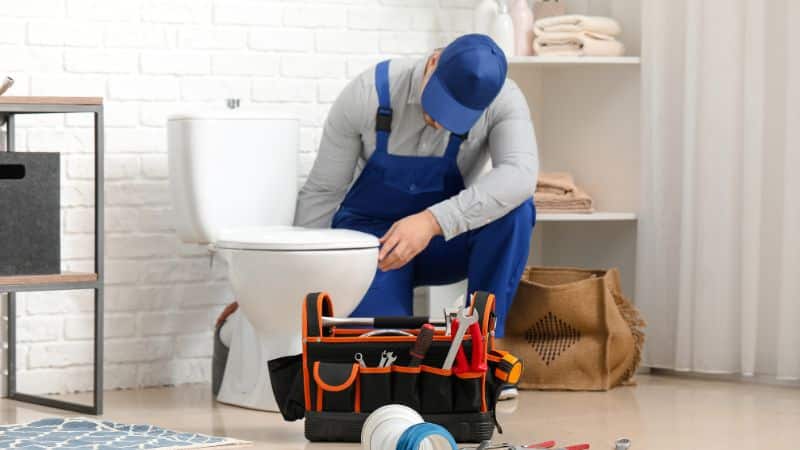
Water Treatment Solutions
Using water softeners or filtration systems can significantly reduce mineral buildup in your pipes, thus minimizing corrosion risks.
Proper Insulation Techniques
Insulating exposed pipes helps maintain a consistent temperature and protects them from external elements that could lead to corrosion.
Choosing Materials Wisely
When replacing or installing new piping, consider using materials less prone to corrosion:
- Stainless Steel: Highly resistant to rust. PEX: Plastic tubing that doesn’t corrode like metal does.
Repairing vs. Replacing Corroded Pipes
Deciding whether to repair or replace corroded pipes depends on several factors such as extent of damage, cost efficiency, and longevity considerations:
| Factor | Repair | Replace | |--------------------|----------------------------------------|----------------------------------------| | Cost | Generally lower upfront | Higher initial investment | | Longevity | Short-term solution | Long-lasting benefits | | Time | Quick fixes available | Installation takes longer |
FAQs about Pipe Corrosion
1. What causes pipe corrosion?
Pipe corrosion is primarily caused by exposure to moisture and oxygen along with acidic conditions in the water supply.
2. How do I know if my pipes are corroding?
Signs include discolored or rusty water, low pressure, and visible leaks around joints or fittings.
3. Can I prevent pipe corrosion?
Yes! Regular inspections by a qualified plumber and proper maintenance practices greatly reduce risks associated with pipe corrosion.
4. Is copper piping more susceptible to corrosion than galvanized steel?
Both types have their vulnerabilities; however, copper tends to develop pitting while galvanized steel may rust externally once its protective zinc layer wears off.
5. Can I treat my plumbing myself if I suspect corrosion?
While some minor issues may be manageable DIY projects, it's always best practice to consult a professional plumber for significant concerns regarding your plumbing system’s integrity.
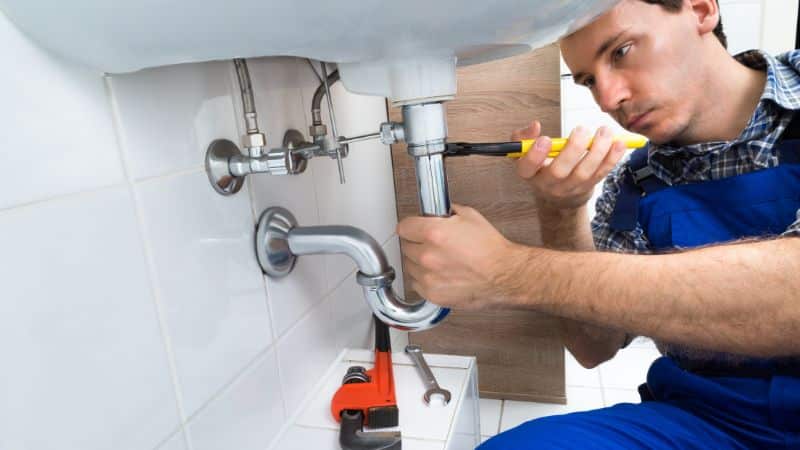
6. How often should I have my plumbing inspected?
It's advisable to have inspections done at least once every two years or sooner if you plumbing near me notice any concerning signs like those mentioned earlier.
Conclusion
Understanding "What Every Homeowner Should Know About Pipe Corrosion" equips you with the knowledge needed not only to detect potential problems but also implement effective prevention strategies before they escalate into costly repairs. Whether you're experiencing symptoms of corroded pipes or simply want peace of mind regarding your plumbing's condition, consulting an expert—like a dedicated Plumber in O'Fallon IL at Alexander Plumbing & Remodeling LLC—can provide invaluable insights tailored specifically for your home's needs.
By following preventive measures outlined in this article and keeping an eye on your plumbing system’s health, you’ll ensure longevity and functionality for years ahead while avoiding those unexpected surprises that often come with home ownership!